Tattoo Cover-Up Guide: Turn an Old Tattoo Into Art You Love
An estimated one in four people with tattoos regrets at least one of them. A faded name, a blurry tribal from 2008, an impulsive holiday souvenir — whatever the story, you have two real options: laser removal (expensive, slow, painful) or a cover-up. A well-designed cover-up doesn't just hide the old tattoo; it replaces it with something you actually want to wear. This guide explains how cover-ups work, which styles conceal best, and how to preview your cover-up before ever visiting a studio.
What Makes a Good Cover-Up
A cover-up succeeds when the new design controls where the eye goes. Three factors matter most. Density: the new tattoo needs enough dark, saturated areas to absorb the old lines — thin minimalist work almost never covers anything. Size: the new piece should extend beyond the old tattoo's outline, usually by 20-30%, so the old shape stops reading as a shape. Placement of darkness: a skilled design positions its darkest elements exactly over the old tattoo's most stubborn lines. This is why cover-ups are a specialist discipline — and why seeing a concept before committing matters so much.
Best Cover-Up Styles
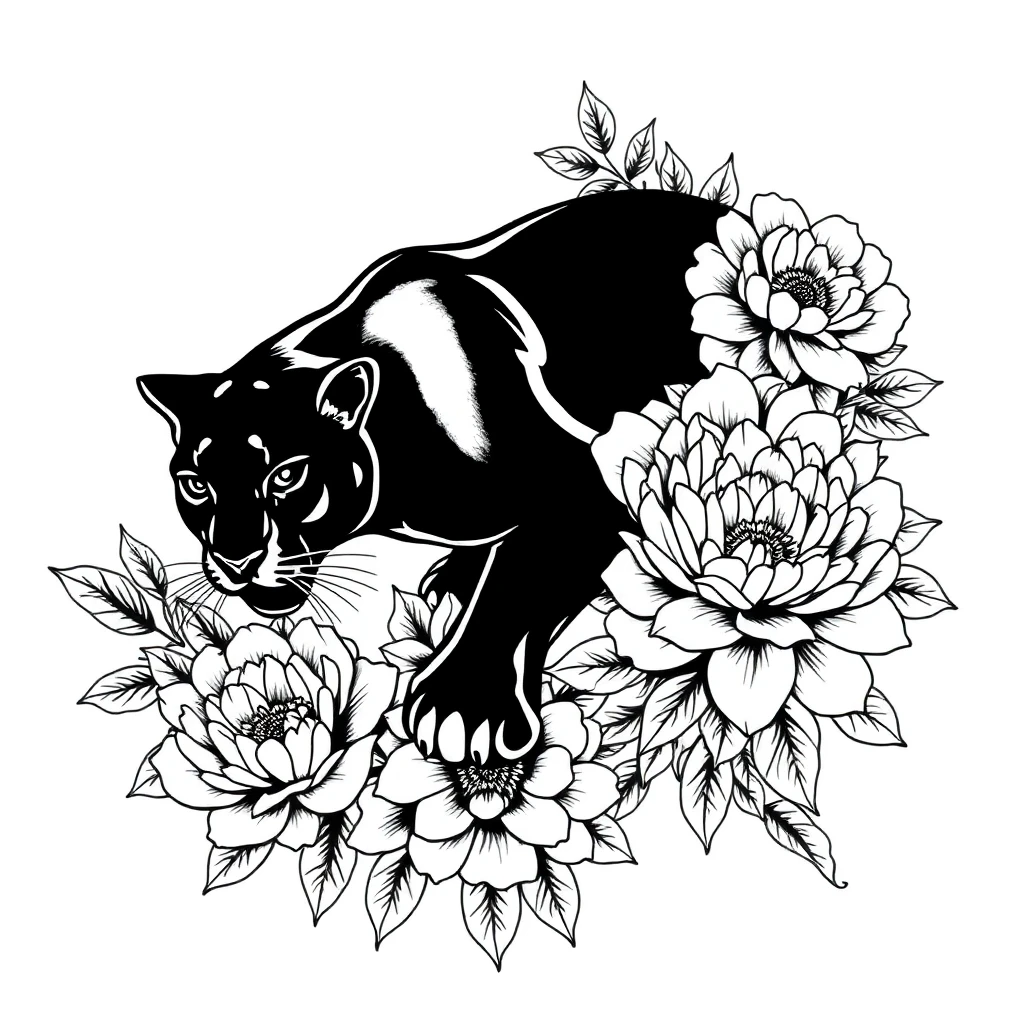
Some styles are natural cover-up machines. Blackwork is the undisputed champion: solid black fields and bold patterns can swallow almost anything. Japanese works beautifully for larger cover-ups — clouds, waves and scales provide dense, flowing texture that hides structure underneath. Tribal and ornamental patterns offer repeating dark elements you can position over old lines. Realism in black and grey can work for medium coverage if the composition is dark enough. What to avoid: minimalist, fine line art and watercolor — they simply don't have the ink density to conceal.
Which Old Tattoos Are Hardest to Cover
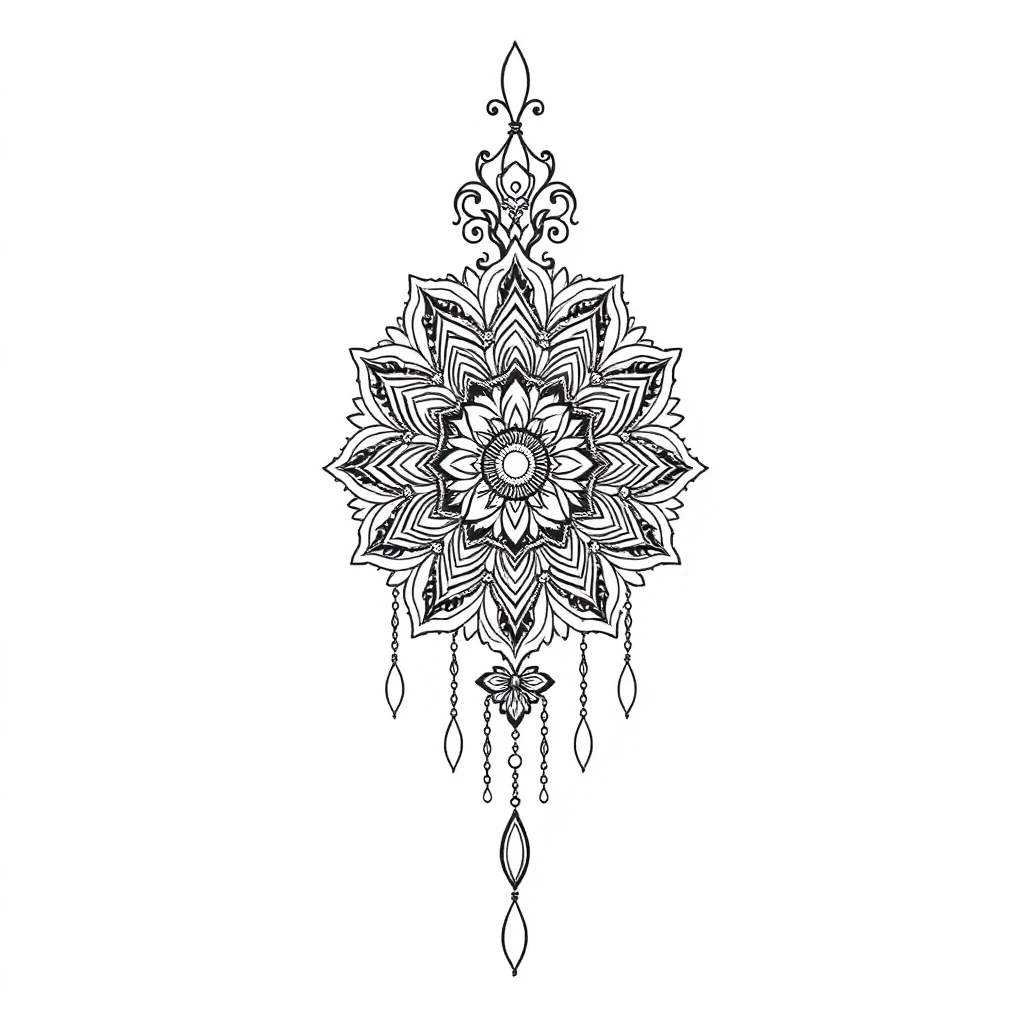
Fresh, dark, large tattoos are the toughest customers. Solid black areas can realistically only be covered by more black — or reworked into blackwork patterns. Old, faded tattoos are the easiest: after 10+ years, most ink has softened to grey-blue, and even a medium-density design will hide it. Somewhere in between sit colorful pieces: red and orange pigments are surprisingly persistent and may need a session of laser fading before the cover-up. An honest artist will tell you if your old tattoo needs 1-2 laser sessions first — it dramatically expands your design options.
Design a Cover-Up With AI — From a Photo of Your Actual Tattoo
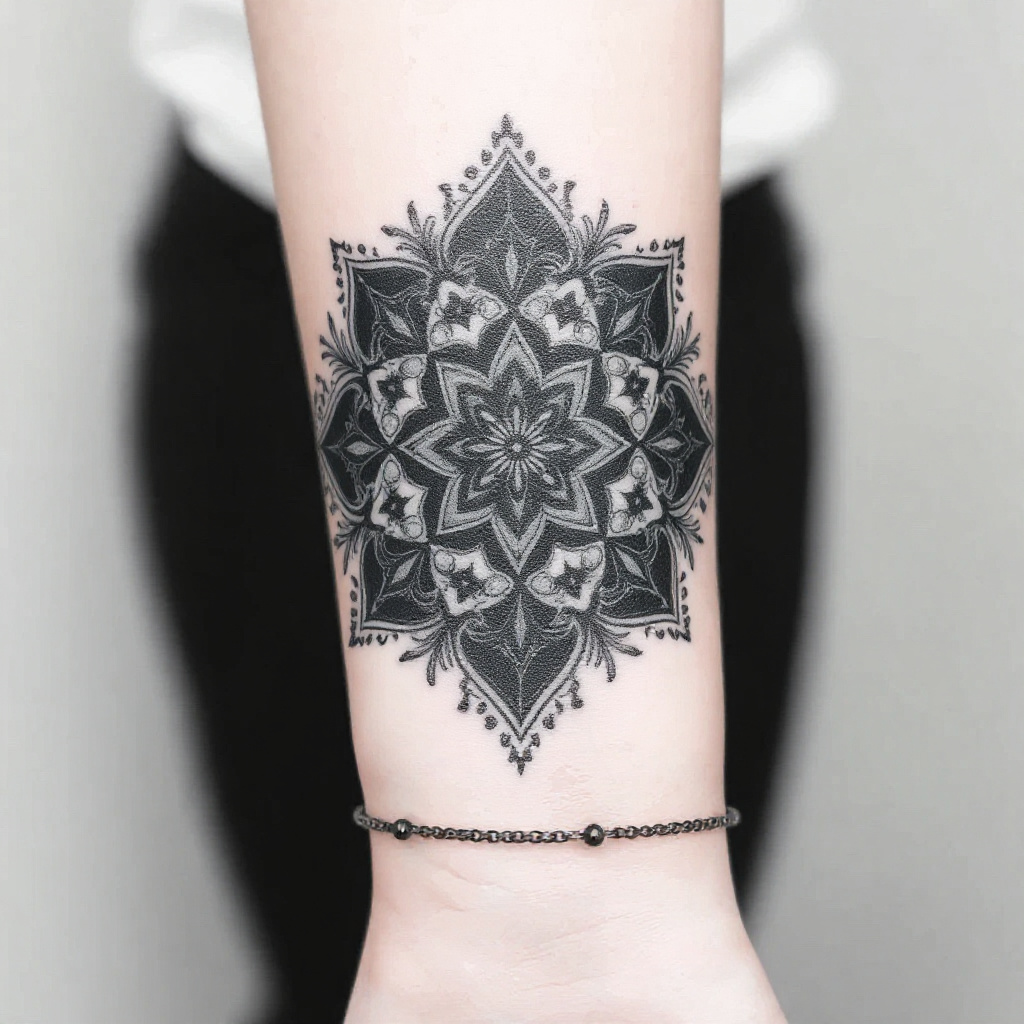
Here's where it gets interesting. TattooMancer now designs cover-ups from a photo of your actual old tattoo. Upload the photo on the generator page, tick the “This is an old tattoo — design a cover-up” checkbox, pick a style and optionally describe what you'd like. The AI returns two results: a photorealistic preview of the new tattoo covering your old one on your own skin, and a clean design sheet your artist can work from. The design automatically extends past the old outline and concentrates dark elements where coverage is needed. It takes about 20 seconds and the first designs are free every day.
Working With Your Artist
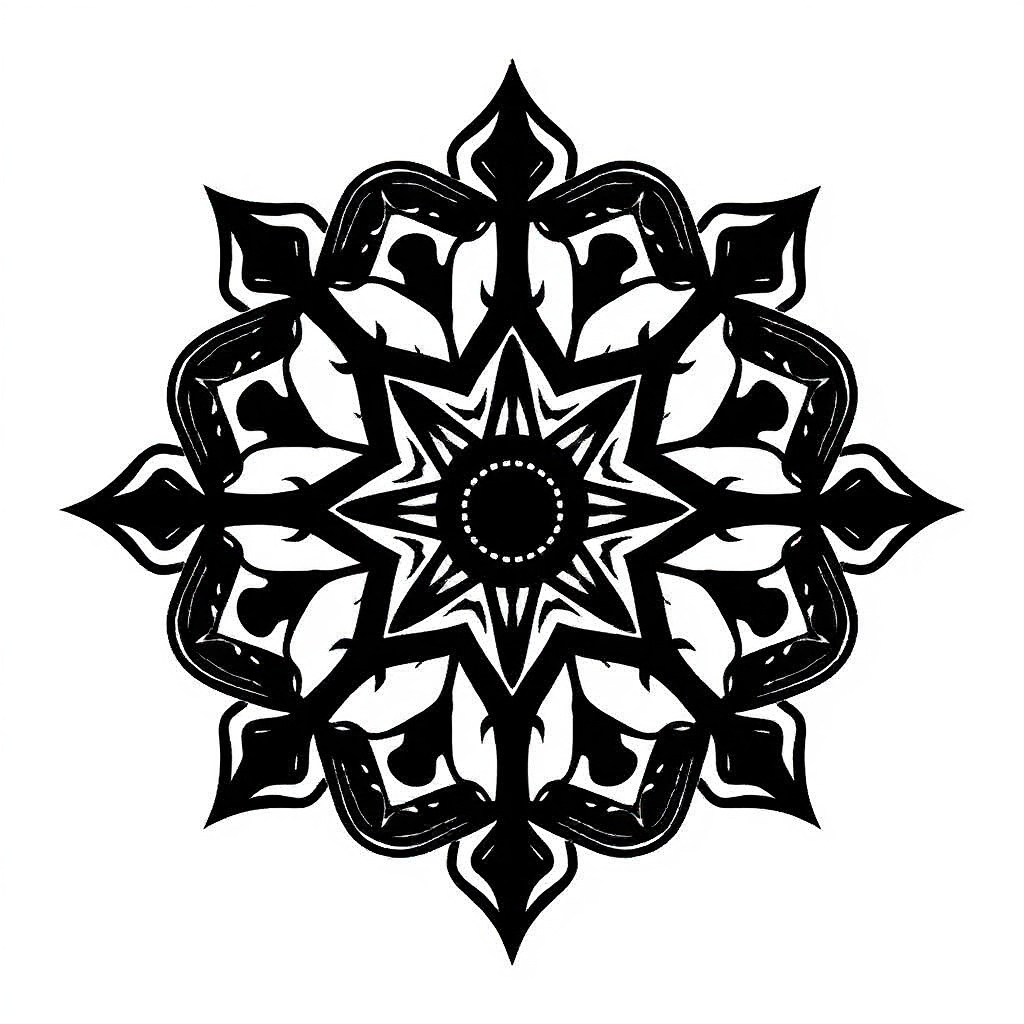
An AI cover-up concept is a starting point, not a final stencil. Bring both generated images to a cover-up specialist: the on-skin preview communicates the idea instantly, and the clean design gives them a base to adapt. Expect the artist to adjust density based on how your old ink actually sits in the skin — photos don't show everything. Cover-up sessions usually cost 20-50% more than equivalent fresh tattoos and may need two passes for full saturation. If you're new to the process, our first tattoo guide covers studio etiquette, pain and aftercare — all of it applies to cover-ups too.
Preview Before You Commit
Before booking, use the try-on feature to see any generated cover-up concept on a photo of your own arm or leg. It's the cheapest confidence check in tattooing: a minute with your phone camera versus years with a design you're unsure about. Generate a few concepts in different styles, compare them on your skin, and walk into the studio knowing exactly what you want. Not sure which style suits you? Our complete styles guide breaks down all of them.
FAQ
Can any tattoo be covered up? Almost any — the question is with what. Old faded tattoos accept nearly any dense design; fresh solid-black work realistically needs blackwork on top or 1-2 laser fading sessions first.
How much bigger will the cover-up be? Plan for 20-30% larger than the old tattoo. The new design has to extend past the old outline so the original shape stops being readable.
Does the AI see my actual tattoo? Yes — you upload a photo of your real tattoo, and the cover-up is designed over it: one result shows the new tattoo on your skin covering the old one, the other is a clean design sheet for your artist.
Is a cover-up more expensive than a regular tattoo? Usually 20-50% more. It demands a specialist, denser packing of ink, and sometimes two passes for full saturation.